
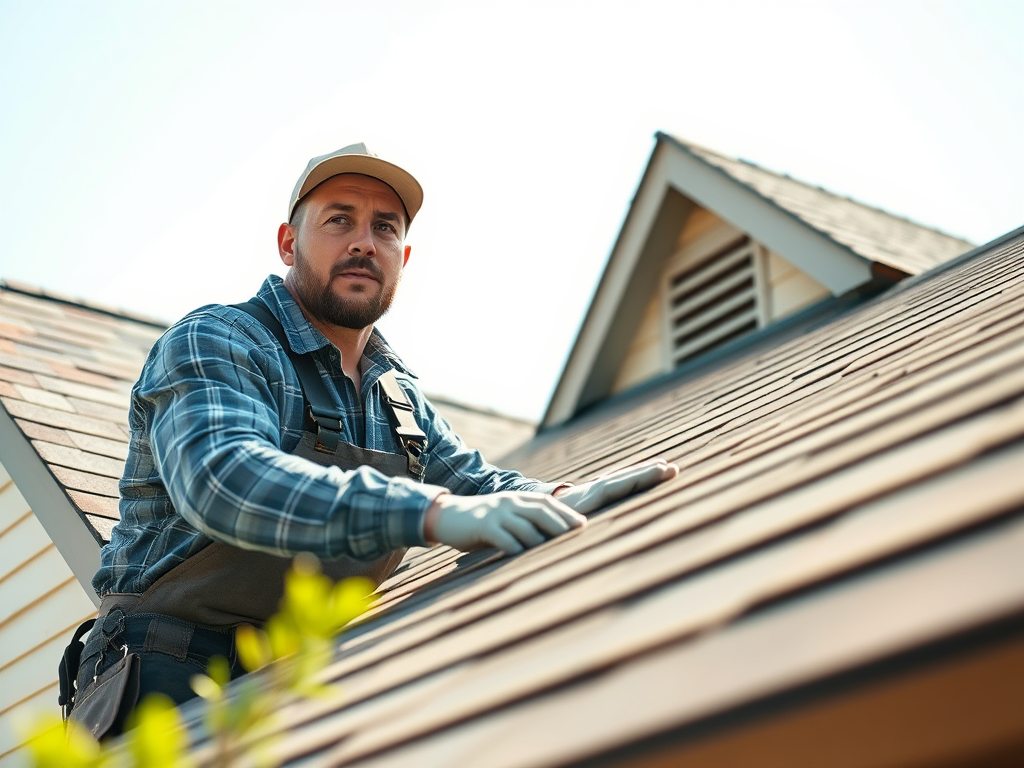
What’s the Difference Between a Roofer and a Roofing Contractor? And Why You Should Hire a Licensed and Insured Contractor

When it comes to roof repairs or installations, you may come across two terms: roofer and roofing contractor. The two may seem interchangeable. However, there are key differences between them. Understanding these distinctions can help you make more informed decisions when hiring someone for your roofing needs.
In this blog, we’ll explore the differences between a roofer and a roofing contractor. We will explain why it’s crucial to hire a licensed and insured contractor for your roofing project.
What Is a Roofer?
A roofer is generally an individual with specific experience and skills in roofing. They focus on the physical work of installing, repairing, or maintaining roofs. Roofers often specialize in specific aspects of roofing, such as laying shingles, sealing leaks, or fixing damaged roofing materials.
- Scope of work: Roofers typically focus on hands-on tasks involved in the job. They fix leaks, replace shingles, or perform minor repairs.
- Skill level: Roofers may have a range of skill levels. They can be apprentices or seasoned workers. However, they may not have a broader knowledge of business or project management.
- Business structure: Roofers can either work independently or under the umbrella of a roofing contractor.
A roofer can handle the practical aspects of roofing. However, they may not have the necessary credentials for more complex tasks. They might not be able to manage a full-scale roofing project or oversee compliance with local building codes.
What Is a Roofing Contractor?
A roofing contractor, on the other hand, is typically a business or company. This business manages roofing projects from start to finish. Roofing contractors oversee the planning, execution, and completion of roofing work. They often employ a team of roofers to carry out the physical labor.
- Scope of work: Roofing contractors manage all the administrative and logistical aspects of a roofing project. Their responsibilities include managing schedules and obtaining permits. They also ensure that the work meets local building codes.
- Business structure: A roofing contractor runs a roofing company, which may employ multiple roofers. They usually have more extensive training in business management, project oversight, and safety regulations.
- Experience and expertise: Roofing contractors are typically licensed professionals with knowledge of all aspects of roofing and construction. They are equipped to manage large scale projects, complex roof designs, and potentially hazardous situations.
Roofing contractors are generally the go to professionals for bigger projects. These include installing a new roof, replacing an old one, or managing repairs for large commercial buildings. They handle everything, from budgeting to hiring roofers and ensuring the work is done correctly and safely.
Key Differences Between a Roofer and a Roofing Contractor
| Aspect | Roofer | Roofing Contractor |
|---|---|---|
| Scope of Work | Primarily focused on roofing tasks (installation, repair, maintenance) | Manages entire roofing projects (planning, coordination, project management) |
| Business Structure | May work independently or for a company | Runs a company with employees, including roofers |
| Licensing & Insurance | Not always licensed or insured | Typically licensed and insured |
| Experience | Varies; may not have management or business skills | Licensed professionals with expertise in roofing and construction |
| Responsibility | Performs hands on work | Oversees the entire project and ensures compliance with codes |
| Project Size | Typically handles smaller tasks | Handles both small and large scale projects |
Why You Should Hire a Licensed and Insured Roofing Contractor
Both roofers and roofing contractors can get the job done. However, there are significant reasons to choose a licensed and insured roofing contractor for your roofing needs.
1. Compliance with Local Building Codes
Licensed roofing contractors are familiar with local building codes and regulations. They ensure that all aspects of the roofing job meet these codes. This is important for both safety and legal compliance. Non-compliance with local laws could lead to fines. It could also cause costly repairs or even necessitate redoing the entire roof.
A roofer working independently or without the proper licenses might lack expertise in these regulations. This could lead to mistakes. These mistakes could cost you down the road.
2. Insurance Protects You and Your Property
Roofing is a hazardous job. Accidents might occur during the project. This could include damage to your property, injury to a worker, or a mishap while installing your roof. You could be held liable if the contractor isn’t insured.
A licensed and insured roofing contractor has the necessary insurance policies in place. These policies protect both their workers and your property. Insurance means that if anything goes wrong, the contractor’s insurance will cover the damage or medical costs, not you.
3. Quality and Professionalism
Hiring a licensed contractor ensures that you are working with a professional who has met certain industry standards. Contractors are typically required to complete training and education, pass exams, and maintain their licenses through continuing education. This level of professionalism and expertise ensures high quality work. It offers peace of mind that the job will be done right the first time.
4. Warranties and Guarantees
Many roofing contractors offer warranties on their work. This means if anything goes wrong within a certain time frame, the contractor will fix it at no additional cost. This is a major benefit of hiring a licensed contractor. They often stand behind the quality of their work. They provide this level of assurance.
Non-licensed roofers may not offer warranties, leaving you vulnerable if issues arise after the job is completed.
5. Peace of Mind
When you hire a licensed and insured contractor, you’re choosing someone who has a professional reputation to uphold. They’re more likely to adhere to deadlines. They communicate effectively. They take the proper steps to ensure that your roof is safe and secure. On the other hand, hiring a non-licensed roofer could expose you to potential risks. These risks include problems that could leave you without legal recourse if things go wrong.
6. Long Term Savings
While you might save some money upfront by hiring an unlicensed roofer, the long-term costs could be much higher. If the roof is not installed properly, you may need expensive repairs later. It is also costly if the roof does not meet code requirements. A licensed contractor will make sure everything is done correctly the first time, saving you from these future headaches.
Why It’s Important to Hire a Roofing Contractor
A roofer may be skilled at installing or repairing roofs. However, hiring a licensed and insured roofing contractor provides numerous advantages. They have the experience. They have insurance and knowledge of local codes. These ensure your roofing project is completed correctly, safely, and legally.
By choosing a licensed contractor, you’re investing in the quality and durability of your roof. You are protecting your home and minimizing potential risks. Always do your research. Ask for credentials. Make sure that the roofing contractor you hire is fully licensed and insured. Your home and your peace of mind will thank you in the long run.



Leave a Reply