

Winter Roof Prep: How to Protect Your Roof From Snow and Ice in Northeast Ohio
Winter in Northeast Ohio is nothing short of intense. Heavy snowfalls, freezing rain, and unpredictable ice storms can occur. It’s crucial to ensure your roof is ready to withstand the harsh weather conditions. Winter storms can cause immediate damage to your roof. They can also lead to long-term problems like leaks, mold growth, and premature wear.
Take some simple preventive steps now. Doing so protects your roof and your home from the worst of winter’s fury. Here’s a guide to preparing your roof for snow, ice, and everything in between.

1. Inspect Your Roof Before Winter Hits
The first step in winter roof prep is conducting a thorough inspection of your roof. This should ideally be done in the fall, before the first snowflake falls. Look for the following:
- Damaged Shingles: Missing or cracked shingles leave your roof vulnerable to leaks. Replace any damaged shingles before the snow begins.
- Flashing Issues: The metal flashing around chimneys, vents, and skylights can become loose over time. It may also become corroded, causing leaks when it rains or snows. Tighten or replace any compromised flashing.
- Sagging or Drooping Areas: If you notice any sections of your roof sagging, this could indicate structural damage. It might also suggest trapped moisture. This could lead to serious issues once snow accumulates on your roof.
If you’re not comfortable inspecting your roof yourself, it’s a good idea to hire a professional roofing contractor. A local contractor familiar with Northeast Ohio weather patterns can spot any issues. They can make recommendations to ensure your roof is in optimal condition for winter.
2. Clean Your Gutters and Downspouts
Clogged gutters are one of the most common causes of roof damage in the winter. When leaves, twigs, and debris build up in your gutters, they can prevent water from draining properly. This can lead to water pooling around your roof, which then freezes during the winter months. Ice dams can form, which trap melted snow and ice on your roof, forcing it to seep under the shingles and into your home.
To prevent this, make sure your gutters are clean and free of debris. If you’re not comfortable doing it yourself, hire a professional to clean and inspect your gutters before winter weather arrives. Don’t forget to ensure that downspouts are clear, directing water away from your home’s foundation.
3. Install Heat Cables or Roof Heating Systems
Ice dams are a common issue in Northeast Ohio. This problem occurs particularly with homes that have attics that aren’t properly insulated or ventilated. As snow accumulates on the roof and the heat from your attic warms the shingles, the snow begins to melt. This water then runs down the roof and refreezes at the eaves, creating ice dams. These can cause significant damage to your roof, gutters, and even your interior ceilings and walls.
To combat this, consider installing roof heating cables. These systems melt snow and ice at the edges of your roof and gutters. This allows water to flow freely off the roof. Although they can be an upfront investment, they are well worth it. They provide protection during the coldest months.
4. Check Attic Insulation and Ventilation
Proper attic insulation and ventilation play a key role in preventing ice dams. If your attic is poorly insulated, heat from your home can escape through the roof, melting the snow on top. This leads to the water running down the roof, where it refreezes at the colder eaves, causing ice dams.
Make sure your attic is properly insulated to prevent heat loss. Additionally, ensure there’s adequate ventilation. This allows any warm air that escapes to vent out of the attic. It prevents the roof from overheating. Proper airflow helps maintain the temperature of the roof, reducing the risk of ice buildup.
5. Trim Overhanging Tree Branches
Winter storms often bring heavy snow, ice, and high winds. These conditions can cause tree branches to snap or fall onto your roof. This can lead to significant damage, including punctured shingles or even a collapsed roof in extreme cases.
Inspect the trees around your home and trim any overhanging branches that could pose a risk. Be sure to check for dead or weakened branches. They are more likely to fall in a snowstorm or under the weight of ice. You can also consider consulting an arborist to help with tree maintenance and safety.
6. Keep Your Roof Clear of Snow and Ice
Once the snow begins to accumulate, it’s important to keep it from building up on your roof. Snow is heavy. When it builds up in large quantities, it can put a significant amount of strain on your roof. In some instances, the roof may cave in due to the weight of snow and ice. This is particularly concerning for older homes without sufficient structural support.
Use a roof rake to gently remove snow from the edges of your roof. When doing this, be sure to avoid standing directly underneath the snow as it falls. Use a long-handled rake to stay safe. If you’re dealing with a large accumulation of ice or snow in difficult-to-reach areas, call a professional. This will help you avoid injury.
7. Prepare for Ice Dams
Even with preventive measures, ice dams can still form in extreme weather conditions. Look for signs of ice dams. These include icicles forming at the roofline or water staining on interior ceilings or walls. It’s crucial to address them immediately.
Melt ice dams carefully. Use a de-icing product that’s safe for roofs, such as calcium chloride. Avoid using a hammer or other hard objects to chip away at the ice, as this could damage the shingles.
8. Consider a Roof Replacement
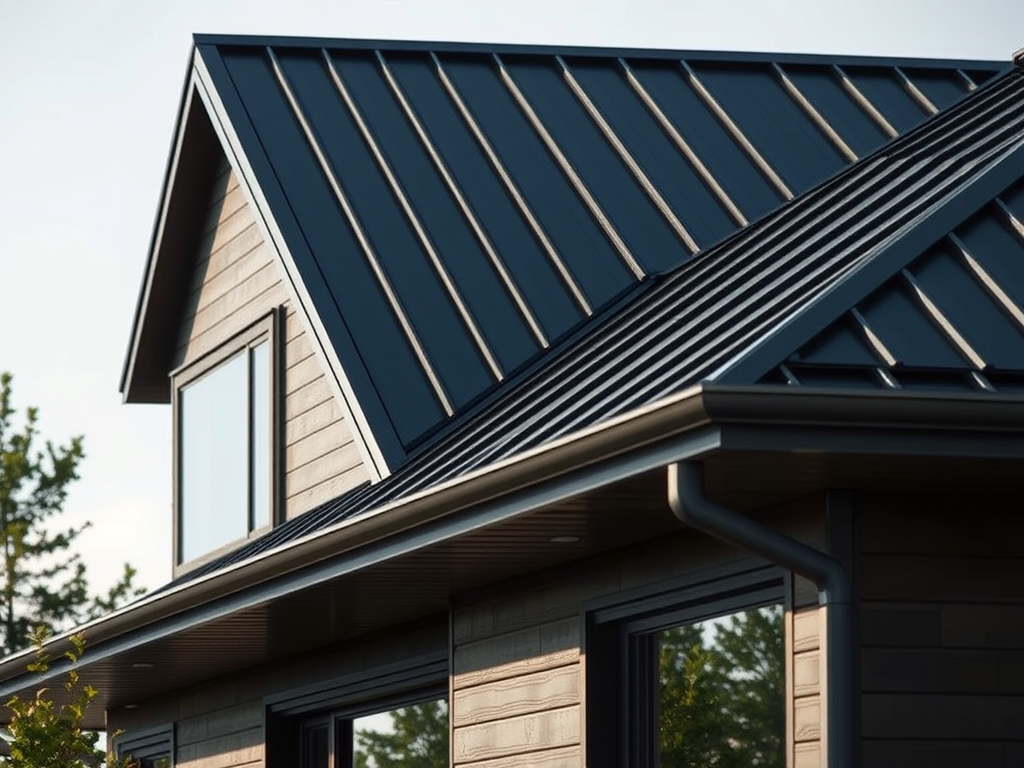
Your roof may be particularly old or show significant signs of wear. If so, it might be time to replace it before the winter months. Consider newer, more durable roofing materials like metal or impact-resistant shingles. These options can better withstand the heavy snow and ice common in Northeast Ohio.
If you’re unsure whether your roof is ready for winter, consult with a professional roofing contractor. They can evaluate its condition. The contractor can recommend any necessary repairs or replacements.
So is your roof ready for winter?
Winter in Northeast Ohio can be tough on your roof. However, with the right preparation, you can protect your home from snow, ice, and other winter-related damage. Inspect your roof and clean the gutters. Add insulation. Take steps to prevent ice dams. These actions will give you peace of mind. You will know your roof is ready for whatever the winter weather throws your way.
Call a Pro to inspect your roof.
Keep in mind, the cost of winter roof prep is much less expensive. It’s cheaper than dealing with a major roof leak or structural damage down the line. If you’re unsure about performing any of these tasks yourself, reach out to a trusted local roofing contractor. They can help you prepare your roof for the cold season ahead.
Stay safe, stay warm, and keep your roof in top shape this winter!



Leave a Reply